Water pressure plays a critical role in the performance and safety of any residential plumbing system. When water pressure is too high or too low, it can lead to a range of issues, from damaged pipes to inconsistent water flow. Many homeowners are not aware that controlling water pressure is essential for maintaining plumbing efficiency and preventing costly repairs.
A water pressure regulator is a key component that helps manage and stabilize water pressure throughout a home. By keeping pressure within a safe range, it protects plumbing fixtures, appliances, and pipes from unnecessary strain. Understanding what a water pressure regulator is and how it functions can help homeowners determine whether installing one is necessary for their property.
Understanding What a Water Pressure Regulator Is
A water pressure regulator, also known as a plumbing pressure regulator or pressure reducing valve (PRV), is a device designed to control the water pressure entering a home. It ensures that the water pressure remains at a consistent and safe level, regardless of fluctuations from the municipal water supply.
In many residential plumbing systems, water is supplied at a pressure that can exceed the safe operating limits of pipes and fixtures. A water pressure regulator helps lower this incoming pressure to a safe and usable range, usually around 40 to 60 pounds per square inch (PSI). By doing so, it protects plumbing components from damage and maintains consistent, reliable water flow throughout the home.
The water pressure regulator is usually installed near the main water line, close to where water enters the home. From that point, it regulates the pressure distributed throughout the entire plumbing system. This makes it a central component in maintaining balanced water pressure across all fixtures, including sinks, showers, and appliances.
Key Components of a Water Pressure Regulator
A water pressure regulator consists of several internal parts that work together to control water pressure effectively. These components allow the device to adjust automatically based on changes in incoming pressure.
The primary component is the spring and diaphragm mechanism. This part responds to changes in water pressure by expanding or contracting, which helps regulate the flow of water through the valve. When pressure increases, the mechanism restricts flow; when pressure decreases, it allows more water to pass through.
Another essential element is the valve control system. This system opens or closes to adjust the amount of water flowing into the home. It works in coordination with the diaphragm to maintain consistent pressure levels.
The adjustment screw is also a key feature of a water pressure regulator. It allows a professional to set the desired pressure level based on the specific needs of the home. Proper calibration of this screw ensures that the plumbing system operates within safe and efficient pressure limits.
Why Water Pressure Regulation Matters in Your Home
Maintaining proper water pressure is important for ensuring a safe and efficient plumbing system. Excessively high water pressure can put strain on pipes, fittings, and fixtures, causing them to work under unnecessary stress. Over time, this added pressure may result in leaks, pipe deterioration, and early failure of plumbing components. It can also harm household appliances like dishwashers, washing machines, and water heaters, which may lead to frequent breakdowns and expensive repair or replacement costs.
Low water pressure, on the other hand, can affect daily activities. Weak water flow can make it difficult to shower, wash dishes, or operate appliances effectively. Inconsistent pressure may also indicate underlying plumbing issues that require attention. A properly functioning water pressure regulator helps maintain a stable pressure level, ensuring that water flows consistently throughout the home.
Maintaining balanced water pressure also improves overall system efficiency. When pressure is controlled, fixtures and appliances operate as intended, reducing unnecessary water waste. This contributes to lower utility bills and supports long-term plumbing performance.
Signs Your Home May Have Water Pressure Issues
There are several common signs that indicate water pressure problems within a home. Recognizing these early can help prevent more serious plumbing issues.
Fluctuating water pressure is one of the most noticeable signs. If water flow changes suddenly while using a faucet or shower, it may indicate inconsistent pressure levels. This can be caused by issues with the main supply or the absence of a properly functioning water pressure regulator.
Loud or knocking pipes, commonly known as water hammer, may indicate excessively high water pressure. This happens when the water flow is abruptly stopped or redirected, creating a sudden pressure surge inside the pipes. If left unaddressed, this repeated stress can weaken pipe joints and eventually cause damage over time.
Leaking faucets and fixtures are another common indicator. Excess pressure can wear down seals and connections, resulting in drips or continuous leaks. Even small leaks can lead to increased water usage and higher utility costs.
A shortened lifespan of appliances is also a warning sign. Appliances that rely on water, such as washing machines and dishwashers, are designed to operate within a specific pressure range. When pressure exceeds that range, internal components can wear out more quickly, reducing efficiency and increasing maintenance needs.
How a Water Pressure Regulator Works
A water pressure regulator works by reducing and stabilizing the incoming water pressure from the main supply line before it enters the home’s plumbing system. As water flows into the regulator, the device automatically adjusts the pressure to ensure it remains within a safe and usable range. This process helps protect plumbing pipes, fixtures, and appliances from pressure-related damage.
Inside the water pressure regulator, a spring-loaded diaphragm responds to changes in water flow. When incoming pressure is too high, the diaphragm compresses and restricts the flow of water, lowering the pressure. When pressure drops, the diaphragm relaxes and allows more water to pass through. This continuous adjustment ensures that water pressure remains steady even when the municipal supply fluctuates.
By maintaining controlled pressure, the regulator helps deliver consistent water flow to all fixtures in the home. This includes sinks, showers, toilets, and water-using appliances. The result is a balanced plumbing system that operates more efficiently and experiences fewer issues related to pressure spikes or drops.
Ideal Water Pressure Levels for Residential Plumbing
For most residential plumbing systems, the recommended water pressure range is between 40 and 60 PSI (pounds per square inch). This range is considered safe for pipes, fixtures, and appliances while still providing adequate water flow for everyday use.
Water pressure below 40 PSI may result in weak water flow, making tasks like showering or washing dishes less efficient. It can also indicate issues with the municipal supply or internal plumbing restrictions.
Water pressure above 60 PSI, however, can place stress on the entire plumbing system. Over time, this increased pressure can lead to leaks, pipe damage, and premature wear on appliances. In many cases, a water pressure regulator is used to reduce excessive pressure and bring it back within the ideal range.
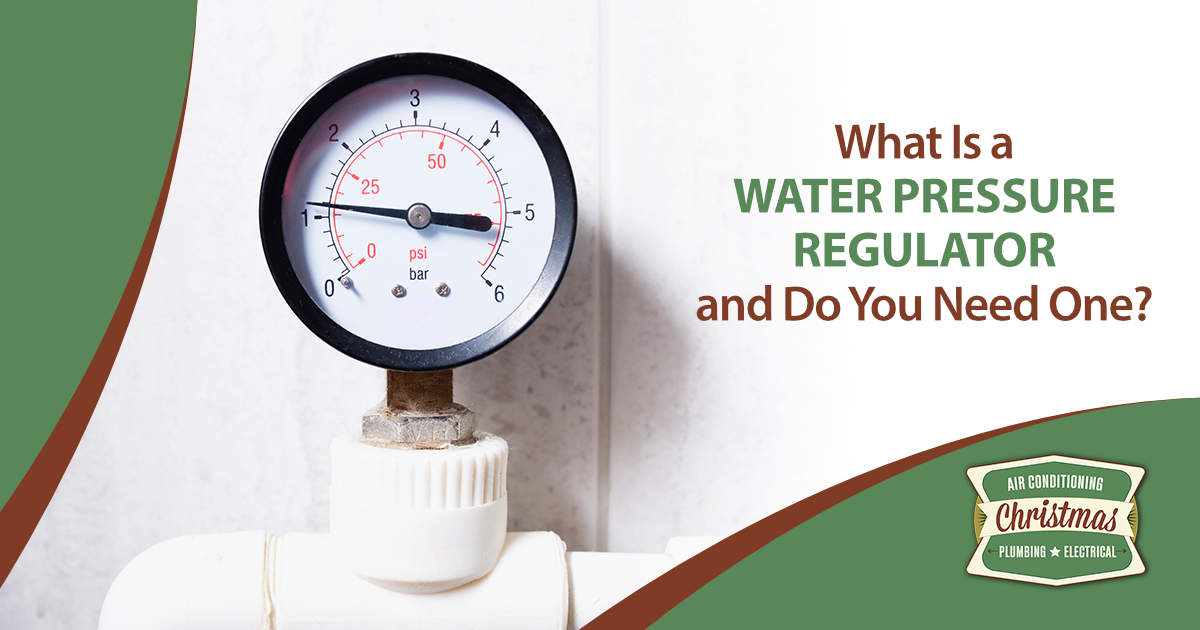
Homeowners can measure water pressure using a simple pressure gauge attached to an outdoor faucet or hose bib. Regular monitoring helps identify pressure problems early and ensures the plumbing system continues to operate safely and efficiently.
Benefits of Installing a Water Pressure Regulator
Installing a water pressure regulator provides important protection and performance benefits for a home’s plumbing system. By controlling incoming water pressure, the device helps ensure that pipes, fixtures, and appliances operate within safe limits. This reduces the risk of sudden pressure spikes that can cause long-term damage.
One of the main benefits of a water pressure regulator is the protection it offers to plumbing components. Pipes and fittings are less likely to develop leaks or burst when pressure is properly controlled. Faucets, showerheads, and valves also experience less wear, which helps maintain consistent performance over time.
Appliances that rely on a water supply, such as water heaters, washing machines, and dishwashers, also benefit from regulated pressure. Stable water flow helps these systems operate more efficiently and reduces strain on internal parts. This can lead to fewer breakdowns and improved reliability.
A water pressure regulator also helps maintain consistent water delivery throughout the home. This means fewer fluctuations in shower pressure or faucet flow, improving overall comfort and usability. It also supports better system balance, especially in homes with multiple bathrooms or high water demand.
Long-Term Cost Savings and Efficiency
A properly installed water pressure regulator can lead to significant long-term savings. By reducing excess pressure, homeowners can avoid frequent plumbing repairs caused by leaks, pipe damage, or fixture failure. This helps lower maintenance costs over time.
It also extends the lifespan of plumbing fixtures and water-using appliances, delaying the need for replacements. When systems operate under stable pressure conditions, they experience less stress and wear, which improves overall efficiency.
In addition, controlled water pressure helps reduce unnecessary water consumption caused by leaks or overuse from high-pressure flow. This can result in lower monthly water bills while supporting more efficient household water usage.
Do You Need a Water Pressure Regulator?
Determining whether a home needs a water pressure regulator depends on the condition of the plumbing system and the level of incoming water pressure. In many residential properties, a pressure regulating valve is essential to prevent damage caused by excessive water pressure from the municipal supply.
Homes that experience frequent plumbing issues, such as leaks, dripping faucets, or pipe noise, may already be dealing with pressure that is too high. In these cases, installing a water pressure regulator can help stabilize the system and reduce ongoing damage. A plumbing pressure regulator ensures that water enters the home at a safe and controlled level.
In some areas, municipal water pressure is naturally high or inconsistent. Without regulation, this can place continuous stress on pipes and fixtures. A water pressure regulator helps protect the entire plumbing network by maintaining consistent flow regardless of external fluctuations.
Situations Where a Water Pressure Regulator Is Essential
There are specific situations where installing a water pressure regulator is strongly recommended or considered necessary for long-term plumbing protection.
One common situation is living in areas with fluctuating water supply pressure. When municipal pressure changes throughout the day, it can cause inconsistent water flow inside the home. A water pressure regulator helps smooth out these changes and maintain stability.
Homes that experience frequent plumbing repairs may also require pressure regulation. Recurring issues such as leaking pipes, burst fittings, or failing fixtures often indicate that the system is under excessive pressure. Installing a water pressure regulator can help reduce these problems by keeping pressure within a safe range.
Older homes are another category where pressure regulation is often needed. Aging plumbing systems are more vulnerable to stress and may not be designed to handle modern water pressure levels. A pressure-reducing valve helps protect these systems and extend their usable lifespan.
New construction homes are also commonly fitted with a water pressure regulator, especially in areas known for high municipal pressure. This ensures that the plumbing system starts with proper protection from the beginning, reducing the risk of early damage or failure.
Professional Installation vs. DIY Considerations
Installing a water pressure regulator is a task that requires proper knowledge of residential plumbing systems. While some homeowners may consider a do-it-yourself approach, professional installation is generally recommended to ensure safety and correct function.
A licensed plumber can properly assess the home’s incoming water pressure and determine the correct settings for the water pressure regulator. Incorrect installation or calibration can lead to ongoing pressure issues, including weak water flow or continued high pressure that may damage pipes and fixtures. A properly installed pressure reducing valve helps ensure the entire plumbing system operates within the recommended PSI range.
Professional installation also helps prevent issues such as improper sealing, incorrect placement on the main water line, or damage to existing plumbing components. Since the water pressure regulator is typically installed near the main water entry point, mistakes during installation can affect the entire home’s water system.
In addition, a professional can verify whether a regulator is actually needed or if the issue is caused by another plumbing concern. This helps avoid unnecessary replacement or added costs while ensuring the root problem is addressed correctly.
Maintenance and Lifespan of a Water Pressure Regulator
A water pressure regulator is designed to provide long-term service, but like any plumbing component, it has a limited lifespan. On average, a pressure-reducing valve can last between 7 and 12 years, depending on water quality, usage levels, and system conditions.
Over time, internal components such as the diaphragm and spring mechanism may wear out. When this happens, the regulator may fail to maintain consistent pressure, leading to fluctuations in water flow. Signs of a failing water pressure regulator include sudden changes in water pressure, persistent leaks, or unusual pipe noise.
Regular maintenance can help extend the lifespan of the device. This includes periodic pressure checks to ensure the system remains within the recommended range of 40 to 60 PSI. If pressure readings become inconsistent, servicing or replacement may be necessary.
In many cases, replacing an aging water pressure regulator is more cost-effective than repairing repeated plumbing damage caused by unstable pressure. Routine inspection by a plumbing professional helps ensure the system continues to operate efficiently and safely.
Choosing the Right Water Pressure Regulator for Your Home
Selecting the correct water pressure regulator is important for ensuring long-term plumbing protection and system efficiency. Not all homes require the same type of pressure regulating valve, as water demand, pipe size, and incoming pressure levels can vary.
There are different types of water pressure regulators available for residential use. Standard adjustable models are the most common and allow a plumber to set the desired PSI level based on the home’s requirements. These are typically used in single-family homes where water usage is moderate and consistent.
Heavy-duty regulators are designed for homes with higher water demand or more complex plumbing systems. These units are built with stronger internal components to handle frequent pressure fluctuations and larger volumes of water flow. They are often used in larger homes or properties with multiple bathrooms.
When choosing a water pressure regulator, several factors must be considered. The size of the home’s plumbing system is one of the most important. Larger homes often require more precise pressure control to ensure consistent water delivery to all fixtures. Incoming municipal water pressure is also a key factor, as higher pressure levels require stronger regulation.
Water usage habits should also be considered. Homes with multiple appliances running at the same time, such as dishwashers, washing machines, and showers, benefit from a more reliable and responsive pressure-reducing valve. Choosing the right device helps maintain balance across the entire plumbing system.
Quality and durability are also essential. A well-built water pressure regulator made from corrosion-resistant materials will last longer and perform more reliably over time. Investing in a high-quality unit reduces the likelihood of early failure and helps maintain consistent water pressure in the long term.
When to Call a Plumbing Professional
While understanding how a water pressure regulator works is helpful, installation and diagnosis should be handled by a qualified plumbing professional in many cases. A licensed plumber has the tools and experience needed to accurately measure water pressure and determine whether a pressure regulating valve is required.
Professional assistance is especially important when dealing with recurring plumbing issues such as frequent leaks, noisy pipes, or inconsistent water flow. These symptoms may not always be caused by pressure alone, so a full system inspection is necessary to identify the root cause.
A plumber can also ensure proper installation of a water pressure regulator on the main water line. This includes correct placement, accurate pressure calibration, and testing to confirm that the system is operating within the recommended PSI range.
In addition, professional plumbers can check whether existing plumbing components are compatible with a new or replacement regulator. This helps prevent installation errors and ensures the entire plumbing system functions safely and efficiently.
Get Reliable Plumbing Repair Services Today
When water pressure problems affect a home’s plumbing system, timely professional service is important. Issues such as high water pressure, fluctuating flow, or failing fixtures can worsen over time if not properly addressed. A properly installed water pressure regulator can help stabilize the system and prevent further damage.
Christmas Air Conditioning provides professional plumbing support to help diagnose and resolve water pressure issues, including the installation and replacement of pressure-reducing valves. Their team can assess whether a water pressure regulator is needed and ensure the system is properly set within safe operating levels.
Homeowners experiencing pressure-related plumbing concerns can rely on expert plumbing repair services for accurate diagnosis and long-term solutions.