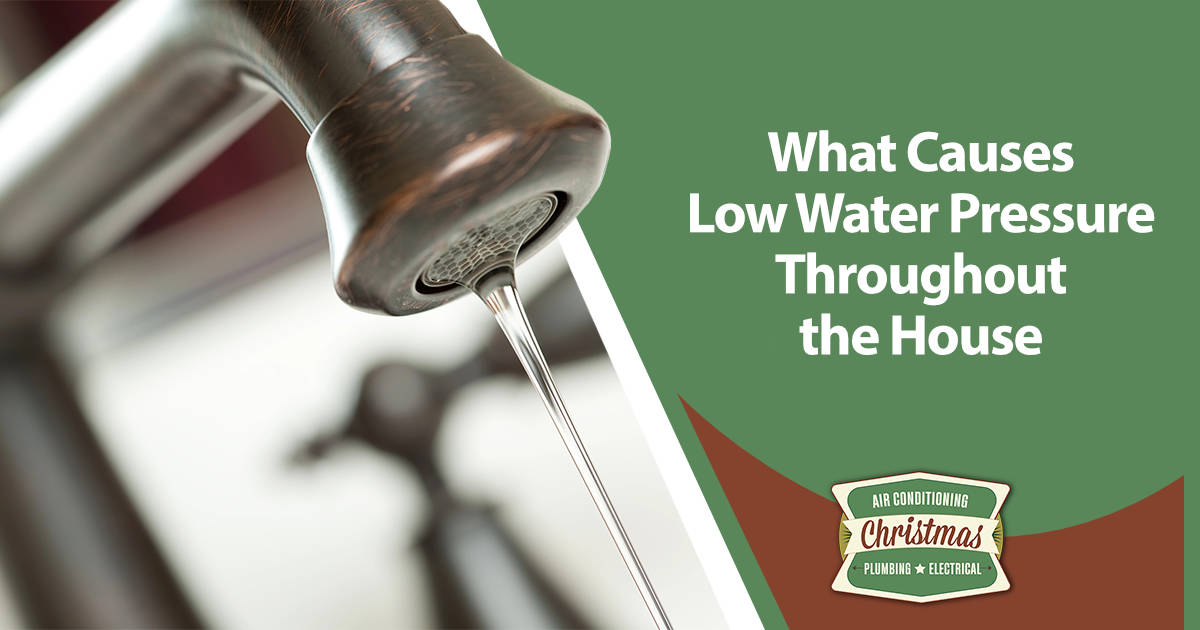
Low water pressure throughout the house is a common plumbing concern that can affect daily household activities and overall comfort, impacting showers, sinks, washing machines, and outdoor water use and making routine tasks more difficult to complete. In many cases, low water pressure in the home develops gradually, which makes it harder for homeowners to notice early warning signs, while several factors can contribute to this issue, including internal plumbing problems and external water supply conditions. It may affect a single fixture or the entire home, and over time the condition may worsen if it is not properly addressed, leading to more noticeable disruptions in water flow. Common signs include reduced water flow in showers and faucets, inconsistent pressure between different fixtures, and slower filling times for sinks, tubs, and appliances.
Common Causes of Low Water Pressure Throughout the House
Low water pressure throughout the house can result from internal plumbing issues or external water supply conditions affecting both new and older homes. Common causes include mineral buildup, pipe damage, aging plumbing systems, hidden leaks, and municipal supply fluctuations, making it important to identify the root cause to restore proper water flow and efficiency.
Clogged or Corroded Pipes Affecting Low Water Pressure in the Home
Clogged or corroded pipes can cause low water pressure in the home as mineral deposits, debris, and rust gradually restrict water flow inside plumbing lines. Over time, this buildup reduces pipe diameter and weakens the system, often leading to uneven pressure and, in severe cases, the need for pipe replacement to restore normal performance.
Mineral Buildup in Pipes and Reduced Water Flow
Mineral buildup reduces water flow by narrowing the inside of plumbing pipes over time. This restriction makes it harder for water to move freely throughout the home. Regular plumbing maintenance can help slow down this process and maintain better water pressure.
Pipe Corrosion and Aging Plumbing Systems
Pipe corrosion develops gradually and affects older plumbing systems more severely. It reduces both water quality and flow efficiency within the home. Replacing outdated pipes is often the most effective long-term solution for restoring stable pressure.
Municipal Water Supply Issues Contributing to Low Water Pressure Throughout the House
Clogged or corroded pipes are a common cause of low water pressure in the home, as mineral deposits, debris, and corrosion gradually build up inside plumbing lines and restrict water flow, often resulting in uneven pressure throughout the house. Over time, mineral buildup from hard water and corrosion in older metal systems can narrow pipe diameter and weaken the plumbing structure, reducing efficiency and sometimes requiring pipe replacement to restore normal water pressure.
City Water Demand Fluctuations and Pressure Changes
City water demand fluctuations occur when many households use water at the same time. This increased demand places strain on the municipal system and reduces available pressure for individual homes. As a result, low water pressure in the home may be more noticeable during mornings or evenings when usage is highest.
Faulty Pressure Regulators and Household Plumbing Issues Causing Low Water Pressure in the Home
A faulty pressure regulator can cause low water pressure in the home by failing to properly control incoming water flow, leading to weak or uneven pressure across fixtures as the component wears out over time. Other plumbing issues, such as blockages, worn parts, and improper system settings, can also disrupt water movement, often developing gradually and requiring early diagnosis and professional repair to restore stable water distribution.
How Pressure Regulators Fail and Affect Home Water Flow
Pressure regulators fail due to internal wear, debris buildup, or mechanical damage. When this happens, they may restrict water flow too much or allow inconsistent pressure levels. Replacing a faulty regulator helps restore proper balance and improve overall household water performance.
Leaks in Plumbing Systems Leading to Low Water Pressure in the House
Leaks in plumbing systems are a major cause of low water pressure, as even small leaks can divert water away from fixtures and reduce overall flow. These leaks may occur in visible or hidden areas and, if left untreated, can lead to water damage, higher utility bills, and ongoing pressure loss, making early detection and professional repair essential to restore normal water pressure.
Hidden Leaks Behind Walls and Reduced Water Pressure
Hidden leaks behind walls reduce water pressure by allowing water to escape before reaching fixtures. These leaks may also cause moisture buildup, mold growth, or structural damage over time. Because they are not visible, they often require specialized equipment for detection and repair.
How Plumbing Fixtures and Appliances Contribute to Low Water Pressure Throughout the Home
Plumbing fixtures and appliances can contribute to low water pressure when aerators, showerheads, and filters become clogged with mineral deposits that restrict water flow and cause uneven pressure. Older or worn appliances can further reduce efficiency, making regular cleaning, maintenance, and timely replacement important to restore proper water flow and maintain consistent pressure throughout the home.
Faucet and Showerhead Blockages: Reducing Water Flow
Faucet and showerhead blockages occur when mineral deposits accumulate inside small openings. These blockages restrict water output and lead to weak or uneven flow. Cleaning or replacing these components often restores proper water pressure quickly.
Professional Plumbing Repair Solutions for Low Water Pressure in the Home
Professional plumbing repair services provide reliable solutions for low water pressure by identifying and addressing the root cause of the issue using specialized tools and expertise. Licensed technicians can diagnose and repair both visible and hidden problems throughout the system, restoring proper water flow and preventing recurring issues for more stable pressure across the home.
Pipe Corrosion and Aging Plumbing Systems
Pipe corrosion develops slowly in older plumbing systems and can significantly reduce water pressure as aging metal pipes deteriorate, restrict flow, and create uneven pressure throughout the home. Replacing corroded or outdated pipes is often the most effective long-term solution, as modern materials resist buildup and corrosion while restoring stable water pressure and overall system performance.
Municipal Water Supply Issues Contributing to Low Water Pressure Throughout the House
Municipal water supply issues can cause low water pressure throughout the home, especially when high demand, maintenance, or system disruptions affect the entire neighborhood. In these cases, pressure may drop across all fixtures at once and vary by time of day or location, making it important to distinguish external supply problems from internal plumbing issues.
City Water Demand Fluctuations and Pressure Changes
City water demand fluctuations occur when large numbers of households and businesses use water at the same time. This increased demand places strain on the municipal system and reduces available pressure for individual homes. As a result, low water pressure in the home is often more noticeable during peak usage hours, such as mornings and evenings.
Faulty Pressure Regulators and Household Plumbing Issues Causing Low Water Pressure in the Home
A faulty pressure regulator is a common cause of low water pressure, especially in homes connected to high-pressure municipal systems, as it is responsible for maintaining consistent and safe incoming water flow. When it fails, it can restrict or destabilize pressure throughout the house, while other issues like blockages, worn seals, and aging fittings may also reduce performance and require professional inspection to restore proper water pressure.
How Pressure Regulators Fail and Affect Home Water Flow
Pressure regulators typically fail due to internal wear, sediment buildup, or mechanical damage over time. When this happens, they lose their ability to properly control incoming water pressure, resulting in weak or inconsistent flow. Replacing or repairing a faulty regulator helps stabilize the system and improve overall water performance in the home.
Leaks in Plumbing Systems Leading to Low Water Pressure in the House
Leaks in plumbing systems are a major cause of low water pressure, as damaged pipes allow water to escape and reduce the flow reaching fixtures and appliances. Even small or hidden leaks can lead to gradual pressure loss, water damage, and higher utility bills, making early detection and repair essential to restore proper water flow and prevent further issues.
Hidden Leaks Behind Walls and Reduced Water Pressure
Hidden leaks behind walls reduce water pressure by allowing water to escape before it reaches household fixtures. These leaks often remain unnoticed until visible signs such as damp spots or musty odors appear. Professional leak detection is usually required to locate and repair the source accurately.
How Plumbing Fixtures and Appliances Contribute to Low Water Pressure Throughout the Home
Plumbing fixtures and appliances can contribute to low water pressure when aerators, showerheads, and filters become clogged with mineral deposits that restrict water flow over time. This buildup, along with older or worn appliance components, can reduce performance and create uneven pressure, making regular cleaning, maintenance, and timely replacement important to maintain stable water flow.
Faucet and Showerhead Blockages Reducing Water Flow
Faucet and showerhead blockages are commonly caused by mineral buildup that narrows small water openings. This restriction leads to weak or uneven water flow in different parts of the home. Cleaning or replacing these fixtures often restores proper pressure quickly and effectively.
Professional Plumbing Repair Solutions for Low Water Pressure in the Home
Professional plumbing repair solutions are often the most reliable way to address low water pressure when the cause is not easily identifiable, as licensed technicians can evaluate the entire system to locate hidden issues such as pipe damage, blockages, or faulty pressure regulators. These services ensure accurate diagnosis and long-term repairs, restoring consistent water pressure while helping prevent recurring problems through comprehensive inspections and specialized testing.
Why Professional Diagnosis Improves Water Pressure Solutions
Professional diagnosis improves water pressure solutions by identifying the exact source of the problem instead of relying on guesswork. Technicians can assess whether the issue is caused by internal plumbing, external supply, or fixture-related blockages. This precise approach ensures that repairs are effective and long-lasting.
Schedule Expert Plumbing Repair for Low Water Pressure Today
Low water pressure throughout the house should not be ignored, as it can significantly affect daily routines, appliance performance, and overall household comfort. Identifying the root cause early—whether it is pipe corrosion, hidden leaks, or pressure regulator failure—helps prevent more serious plumbing issues and costly repairs in the future. Professional plumbing inspection and repair services ensure accurate diagnosis and long-term solutions rather than temporary fixes.
For reliable and expert plumbing assistance, homeowners can trust Christmas Air Conditioning to restore proper water flow and system efficiency. Their experienced technicians provide thorough inspections, precise repairs, and long-lasting solutions designed to eliminate low water pressure issues at the source. Call or schedule online today to get professional help now and restore consistent water pressure throughout your home before the problem gets worse.