
Tankless water heater pros and cons are worth understanding before you replace the aging tank in your garage or attic, because the right choice depends on how your household actually uses hot water. Tankless units, also called on demand water heaters, have surged in popularity across North Texas over the past decade, promising endless hot water, lower energy bills, and decades of service life. Traditional tank heaters still have real advantages too, especially on upfront cost and installation simplicity. This guide breaks down both sides honestly so you can decide which technology fits your home, your budget, and your family’s morning shower routine. Water heating is typically the second largest energy expense in a home after heating and cooling, so this decision affects your utility bills every single month. If you are already thinking about household efficiency, our post on why reducing your water bill matters pairs well with this topic, since water and energy waste often travel together.
How a Tankless Water Heater Actually Works
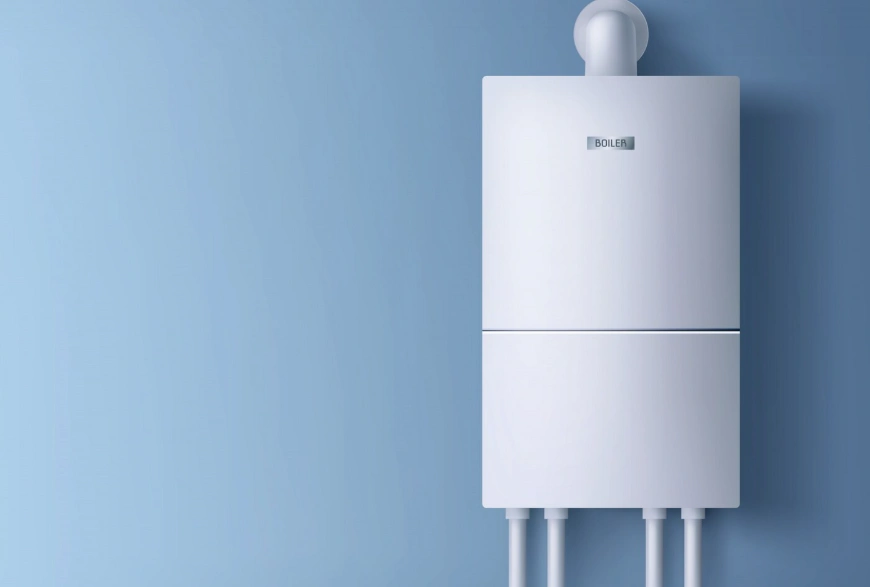
Before weighing tankless water heater pros and cons, it helps to know what makes these systems different. A conventional tank heater keeps 40 to 50 gallons of water hot around the clock, reheating it again and again whether you use it or not. That constant reheating is called standby loss, and it quietly wastes energy every hour of the day.
A tankless unit skips storage entirely. When you open a hot tap, water flows through the unit, a flow sensor triggers the burner or heating element, and the water is heated instantly as it passes through a heat exchanger. Close the tap and the unit shuts off completely. Gas models dominate in North Texas because natural gas is widely available and heats water faster, though electric tankless units work well for smaller point of use applications. Understanding this on demand design is the key to nearly every entry on both sides of the tankless water heater pros and cons list, since almost every strength and weakness traces back to the absence of a storage tank.
The Biggest Advantages of Going Tankless
The pros side of the tankless water heater pros and cons debate starts with endless hot water. Because the unit heats water on demand rather than draining a stored supply, you can run back to back showers, fill a soaking tub, and start the dishwasher without anyone getting blasted with cold water. For larger families in Frisco, McKinney, and Flower Mound where morning routines stack up, this is often the single biggest reason people switch.
Energy efficiency comes next. The Department of Energy estimates tankless units are 24 to 34 percent more efficient than tank models in homes using 41 gallons or less of hot water daily, and still 8 to 14 percent more efficient in heavy use households. Eliminating standby loss translates to real savings, with many homeowners saving 100 dollars or more per year on water heating costs.
Longevity is another major win. A quality tankless unit lasts 20 years or more with proper care, roughly double the 10 to 12 year lifespan of a typical tank. Most parts are replaceable too, so a component failure rarely means replacing the whole system. Add in the space savings, since a wall mounted tankless unit is about the size of a small suitcase, and you free up an entire closet or garage corner. Finally, there is no 50 gallon tank waiting to rust through and flood your attic or garage, a risk every North Texas homeowner with an attic mounted tank knows all too well.
The Real Drawbacks You Should Consider
An honest look at tankless water heater pros and cons has to include the downsides, and the first one is upfront cost. A tankless unit itself typically runs 1,000 to 2,500 dollars compared to 500 to 1,200 dollars for a conventional tank. Installation adds more, especially if your home needs a larger gas line, upgraded venting, or an electrical circuit for the unit’s controls. Converting from a tank to tankless for the first time often lands between 3,500 and 6,500 dollars all in, while a straight tank swap usually costs far less.
Flow rate limits are the second consideration. Every tankless unit has a maximum output measured in gallons per minute, and if your household runs two showers, a washing machine, and a kitchen tap at once, an undersized unit will struggle to keep up. Proper sizing solves this, but it is a step you cannot skip. Some homes with very high simultaneous demand install two units in tandem.
There is also a short delay before hot water arrives, sometimes called the cold water sandwich, where a burst of cool water sits in the line between uses. A recirculation pump or a small buffer tank eliminates this if it bothers you, and many newer models now build recirculation right in. Lastly, tankless units are sensitive to hard water, which is a genuine issue in North Texas. Mineral scale builds up inside the heat exchanger and reduces efficiency, so annual descaling is part of ownership. Pairing the unit with a water softener protects your investment and is strongly recommended across the DFW area.
Cost Comparison Over the Long Run
Raw sticker price does not tell the whole story when comparing tankless water heater pros and cons over a full ownership cycle. Suppose a tank system costs 1,800 dollars installed and lasts 11 years, while a tankless system costs 4,500 dollars installed and lasts 22 years. Over that same 22 year window you would buy two tanks, closing much of the price gap before energy savings even enter the math. Add 80 to 120 dollars in annual energy savings and available manufacturer rebates or federal tax credits for high efficiency models, and the lifetime numbers often favor tankless, especially for households planning to stay in their home for many years.
That said, the math shifts for different situations. If you plan to sell within a few years, a tank replacement may make more financial sense, though a new tankless system can be an attractive selling point. If your gas line and venting already support tankless, your installation cost drops significantly. A professional assessment of your specific home is the only way to get real numbers instead of averages. Our tankless water heater services include exactly that kind of evaluation, covering gas line capacity, venting routes, sizing for your fixture count, and a clear installed price before any work begins.
Sizing a Tankless Unit for a North Texas Home
Sizing deserves its own attention because it determines whether you land on the happy side of tankless water heater pros and cons. Two numbers matter. The first is flow rate, the total gallons per minute your household might demand at once. A shower uses about 2 gallons per minute, a kitchen faucet about 1.5, and a washing machine about 2. The second is temperature rise, the difference between incoming groundwater temperature and your target output. North Texas groundwater runs relatively warm, often 60 to 70 degrees, which is a genuine advantage because your unit needs less power to reach a comfortable 120 degrees than the same unit would in a northern climate.
A typical DFW family of four usually lands on a gas unit rated around 7 to 9 gallons per minute. Undersizing leads to lukewarm frustration, while dramatic oversizing wastes money, so resist guessing and have the load calculated properly. Placement matters too. Locating the unit closer to the bathrooms it serves shortens the wait for hot water and improves everyday satisfaction.
Maintenance Keeps the Pros and Avoids the Cons
Ownership habits tilt the tankless water heater pros and cons balance more than most people realize. The single most important task is annual descaling, where a vinegar or descaling solution is circulated through the heat exchanger to dissolve mineral buildup. In hard water areas like Denton, Argyle, and Lantana, skipping this for a few years can noticeably cut efficiency and shorten the unit’s life. Clean the inlet water filter a couple of times a year, keep the intake and exhaust vents clear, and watch for error codes on the display, which modern units use to tell you exactly what they need.
If your home has very hard water, a softener or conditioning system is the best protection you can add. Many manufacturers reduce or void heat exchanger warranty coverage when units run on untreated hard water, so treatment is not just about performance, it protects the warranty too.
So Which Type Is Right for Your Home?
After weighing all the tankless water heater pros and cons, the decision usually comes down to a few honest questions. Choose tankless if your family regularly runs out of hot water, you plan to stay in your home long term, you value lower monthly bills and a smaller footprint, and you can invest more upfront for a system that lasts two decades. Stick with a quality tank if your budget is tight right now, your current setup works fine for your household size, or you are preparing a home for sale and need a fast, economical replacement.
There is no universally correct answer in the tankless water heater pros and cons conversation, only the right answer for your home, your water usage, and your plans. Getting that answer starts with an inspection of your existing setup, your gas or electrical capacity, and your family’s real hot water demand. If you want expert eyes on all of it, the team at Christmas Air Conditioning and Plumbing installs, services, and repairs both tankless and traditional water heaters across the DFW area, and we will give you a straight recommendation based on your home rather than a sales pitch. Schedule a visit today and find out which water heater truly fits your household before the current one decides for you.
Frequently Asked Questions
How long does a tankless water heater last?
With annual descaling and basic care, a quality tankless unit lasts 20 years or more, roughly twice the lifespan of a conventional tank heater. Replaceable components mean most repairs do not require a full system replacement.
Do tankless water heaters really save money?
Yes, most homes save on energy because tankless units eliminate standby heat loss. The Department of Energy estimates 24 to 34 percent better efficiency for typical households, though the upfront installation cost takes several years to recover.
Can a tankless water heater run two showers at once?
A properly sized gas unit rated around 7 to 9 gallons per minute handles two showers comfortably in North Texas, where warm groundwater reduces the required temperature rise. Undersized units will struggle, so professional sizing matters.
Is hard water a problem for tankless water heaters?
It can be. North Texas hard water causes mineral scale inside the heat exchanger, which lowers efficiency over time. Annual descaling and a water softener keep the unit healthy and protect the manufacturer warranty.
How much does it cost to switch from a tank to tankless?
A first time conversion in the DFW area typically ranges from 3,500 to 6,500 dollars installed, depending on gas line upgrades, venting, and unit size. Replacing an existing tankless unit costs considerably less.