
Understanding slab leak signs and repair cost ranges before a problem strikes can save North Texas homeowners thousands of dollars and months of foundation headaches. Slab leaks happen when the water or drain lines running beneath your concrete foundation develop leaks, sending water into the soil under your home where you cannot see it. In the expansive clay soils of the DFW area, that hidden water does double damage, wasting hundreds of gallons while causing the soil to swell and shift beneath your foundation. Homes across Denton, Flower Mound, Lewisville, and the surrounding communities are especially vulnerable because so many sit on slab foundations built over reactive clay. This guide covers the warning signs that reveal a hidden leak, why these leaks happen in the first place, what repairs actually cost, and how detection technology finds the problem without tearing up your floors. For a deeper look at the basics, our post on what a slab leak is and how to fix it makes a good companion read before we get into the numbers.
The Warning Signs Most Homeowners Miss
The tricky part of slab leak signs and repair cost planning is that the earliest clues are easy to dismiss. The most common first signal is a water bill that climbs with no change in household habits. A pinhole leak under the slab can waste thousands of gallons a month, so an unexplained jump of 30 dollars or more deserves investigation.
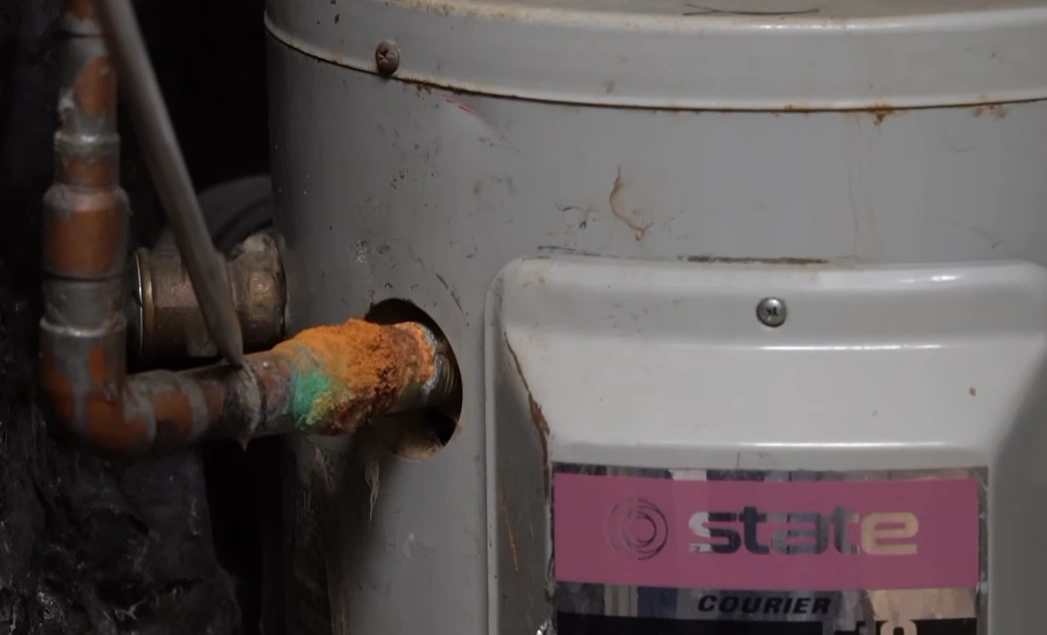
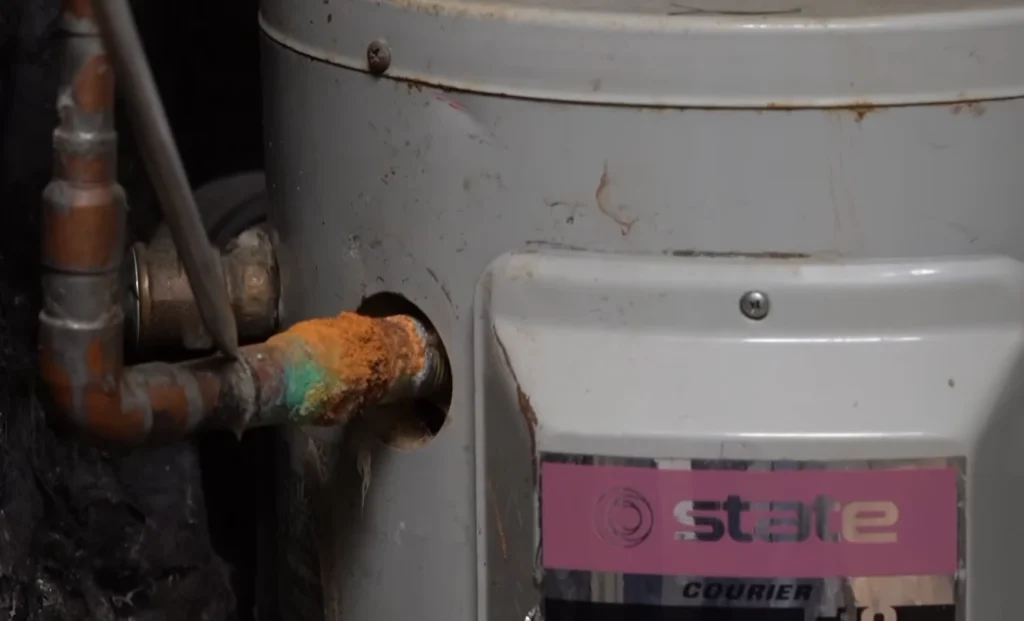
Warm spots on the floor come next, and they are almost a giveaway in Texas homes. Because most slab leaks occur on the hot water line, the leaking water heats the concrete above it, creating a patch of floor that feels warm under bare feet. If your water heater also seems to run constantly or you run out of hot water faster than before, the hot side is losing water somewhere.
Listen for the sound of running water when every fixture is off. Standing in a quiet house near your water heater or bathroom walls, a faint hiss or rush with everything closed points to water moving where it should not be. Other signals include unexplained puddles along exterior walls, damp or musty smelling carpet, mildew under flooring, low water pressure throughout the house, and cracks appearing in tile, drywall, or brick. Foundation movement symptoms like doors that suddenly stick and diagonal cracks above door frames can also trace back to a leak saturating the soil below.
A simple test can confirm your suspicion. Turn off every fixture and appliance that uses water, then watch the leak indicator dial on your water meter. If it keeps spinning with everything off, water is escaping somewhere in the system, and under slab lines are a prime suspect. Keeping a quick monthly habit of glancing at the meter is one of the cheapest tools in the entire slab leak signs and repair cost equation, because it catches leaks while they are still small and inexpensive.
Why Slab Leaks Happen in North Texas
Knowing the causes puts slab leak signs and repair cost concerns in context, because DFW sits in one of the most slab leak prone regions in the country. The biggest culprit is our expansive clay soil, which swells dramatically when wet and shrinks during drought. That constant movement flexes the foundation and the pipes beneath it, stressing joints and wearing pipe walls year after year. The extreme swings between soggy springs and scorching summers make the cycle worse.
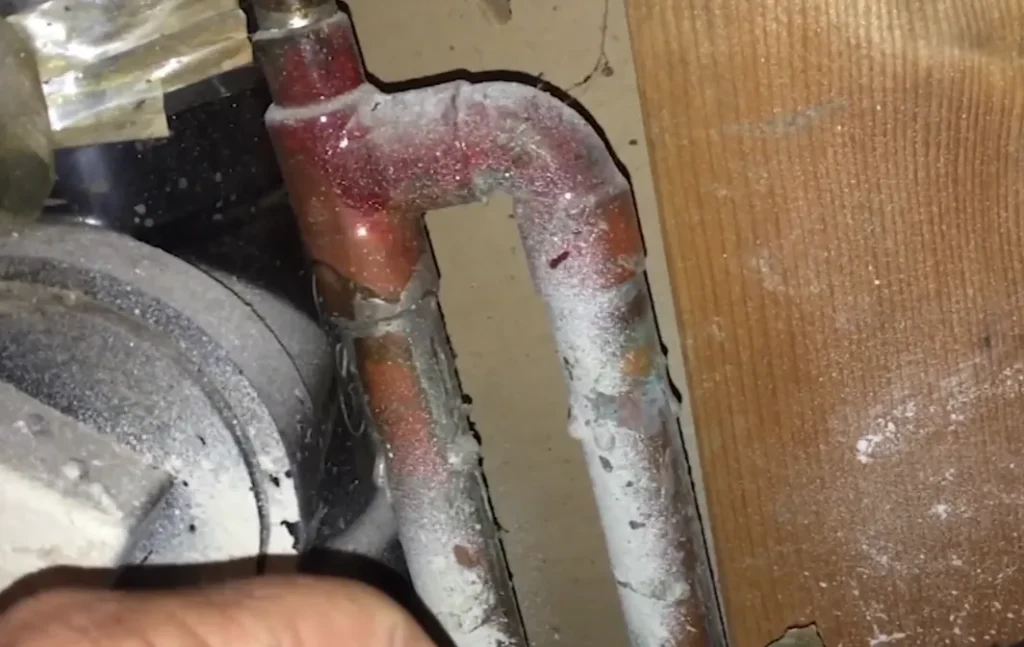
Pipe material and age matter too. Homes built from the 1950s through the 1970s often have galvanized steel or cast iron drain lines that corrode from the inside out. Many homes from the 1980s and 1990s used copper lines that are vulnerable to pinhole leaks caused by electrolysis, a slow electrochemical reaction between the copper and minerals in the surrounding soil. Abrasion adds another failure mode, since a pipe resting against gravel or concrete wears through as it expands and contracts with hot water flow thousands of times a year. Add the naturally hard water across North Texas, which corrodes pipes from the inside, and even well built plumbing systems face a tough environment underground.
High water pressure accelerates all of it. Homes receiving municipal pressure above 80 psi without a pressure regulator put extra strain on every joint and weak point in the system, which is why a simple pressure test is part of any good plumbing inspection. Rapid pressure spikes from water hammer, the banging that happens when valves close suddenly, add further stress over time, and both problems are inexpensive to correct once identified.
What Slab Leak Repairs Actually Cost
Now for the numbers at the heart of slab leak signs and repair cost research. Detection typically runs 150 to 500 dollars, using electronic listening equipment, line pressure testing, and thermal imaging to pinpoint the leak without exploratory demolition. Many companies credit some or all of the detection fee toward the repair, which effectively makes accurate detection free when you move forward with the fix.
The repair itself depends on the method. Spot repair, where the slab is opened directly above the leak and the pipe section is fixed, generally costs 1,500 to 4,000 dollars including concrete work. It is the least expensive option when the leak location is precise and the rest of the line is healthy, though it does involve jackhammering through your floor.
Rerouting the affected line is often the smarter play for older pipes. Instead of opening the slab, the plumber abandons the leaking under slab section and runs a new line overhead through walls and the attic. Reroutes typically cost 1,500 to 5,000 dollars per line depending on distance and access, and they avoid floor demolition entirely.
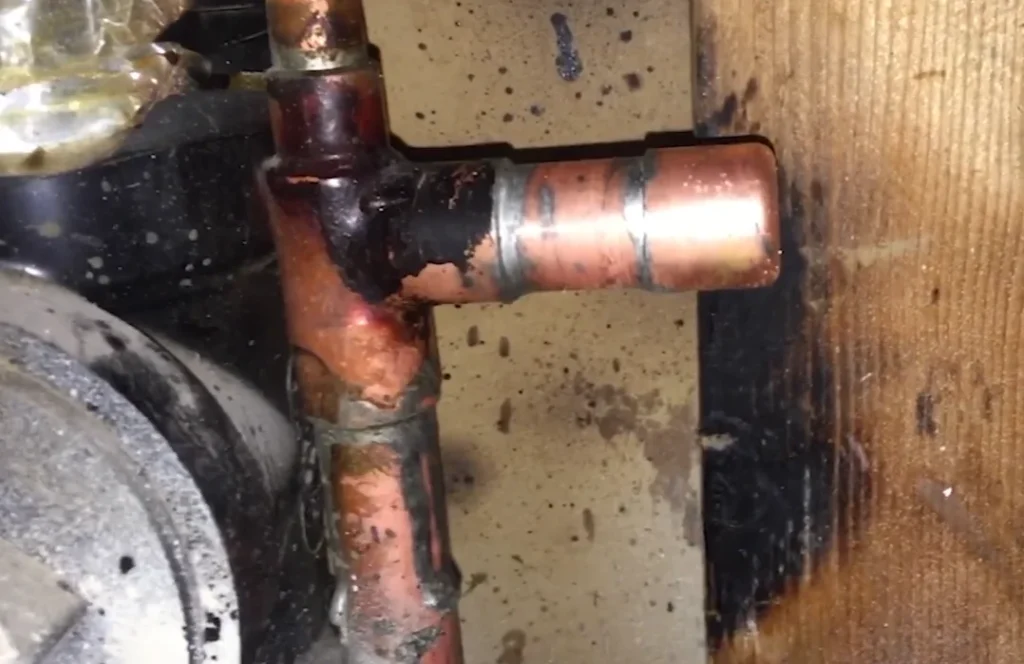
For homes with repeated leaks, repiping the whole house eliminates the problem permanently and usually lands between 5,000 and 15,000 dollars depending on home size and materials. Trenchless options like pipe lining, where an epoxy coating is applied inside the existing pipe, can run 2,000 to 7,000 dollars and work well for certain drain line failures, though not every pipe condition or configuration qualifies for lining. Whatever route you choose, factor in flooring restoration if the slab is opened, since tile, wood, or carpet repair adds real money to spot repairs. This is exactly why professional diagnosis matters before anyone starts breaking concrete. Our slab leak detection services locate the leak precisely, then walk you through every repair option with clear pricing so you can choose based on facts instead of fear.
Does Insurance Cover Any of This?
Insurance questions come up in nearly every slab leak signs and repair cost conversation, and the honest answer is that coverage is partial for most Texas homeowners. Standard policies typically cover the resulting damage, meaning the cost of tearing out and replacing flooring, drywall, and belongings damaged by the water, along with access costs to reach the leak. What most policies exclude is the plumbing repair itself, the actual fixing of the pipe.
Coverage also hinges on the leak being sudden and accidental rather than a slow leak the insurer decides you should have caught earlier, a detail that surprises many homeowners researching slab leak signs and repair cost coverage for the first time. That distinction is another reason acting quickly on warning signs matters, since a documented fast response supports your claim. Review your policy for slab or foundation water damage language, photograph everything from the first sign of trouble, and get a professional detection report in writing, because adjusters give far more weight to documented findings than to guesses.
Why Waiting Is the Most Expensive Option
The gap between catching a leak early and ignoring it for months is where slab leak signs and repair cost numbers swing wildly. A small leak repaired promptly might total 2,000 to 3,000 dollars including detection. The same leak left running for a year can saturate the soil, heave or settle the foundation unevenly, and lead to foundation repair bills of 10,000 dollars or more on top of the plumbing work. Water wicking up through the slab ruins flooring, feeds mold inside walls, and can even attract termites drawn to the moisture. Mold remediation alone frequently costs 2,000 to 6,000 dollars once it spreads inside wall cavities, an expense that never appears in early slab leak signs and repair cost estimates because early action prevents it entirely.
Clay soil makes the stakes higher here than almost anywhere else. Uneven moisture under a DFW slab creates differential movement, the exact mechanism behind cracked bricks, sloping floors, and doors that no longer close. Every month a slab leak runs, you are effectively paying for wasted water now and foundation work later.
Catch It Early and Fix It Right
The takeaway on slab leak signs and repair cost is that early detection changes everything. Watch your water bill, check your meter with the water off, investigate warm floor spots, and take new cracks seriously, especially in older homes with original under slab plumbing. When something looks off, professional detection pinpoints the problem for a few hundred dollars and opens the door to repair options measured in the low thousands instead of the tens of thousands that follow long neglect. If you suspect a leak under your home, Christmas Air Conditioning and Plumbing provides expert slab leak detection and repair across the DFW area, with licensed plumbers, upfront pricing, and honest guidance on whether a spot repair, reroute, or repipe truly serves your home best. Schedule an inspection today, because the least expensive slab leak is always the one you catch this week instead of next year.
Frequently Asked Questions
How do I know for sure if I have a slab leak?
Turn off every fixture and watch the leak indicator on your water meter. If it moves with all water off, you have a leak somewhere. A professional detection visit using acoustic and thermal equipment then confirms whether it sits under the slab and pinpoints the exact location.
How much does slab leak detection cost in DFW?
Professional detection typically runs 150 to 500 dollars depending on the home and equipment needed. Many plumbers credit the detection fee toward the repair, so accurate pinpointing often costs nothing extra when you proceed with the fix.
Does homeowners insurance cover slab leak repair in Texas?
Most policies cover the resulting water damage and the cost of accessing the leak, but exclude the actual pipe repair. Coverage usually requires the leak to be sudden and accidental, so document warning signs and act quickly to support your claim.
Is it better to repair a slab leak or reroute the pipe?
Spot repairs suit newer plumbing with an isolated failure. Rerouting or repiping makes more sense for older copper or galvanized lines, since a second leak in aging pipe is likely and reroutes avoid breaking through your floors.
Why are slab leaks so common in North Texas?
The region combines expansive clay soil that constantly shifts foundations, hard water that corrodes pipes from the inside, and large stocks of older homes with aging under slab plumbing. Together these factors make DFW one of the most slab leak prone areas in the country.