
Ductwork Installation
Christmas Air Conditioning and Plumbing provides ductwork installation for residential and commercial properties. Our HVAC technicians perform ductwork installation by measuring airflow requirements, fabricating custom ductwork sections, connecting supply and return ducts to the central unit, and sealing all joints with mastic or metal tape to prevent air leaks. Each ductwork installation follows Manual D load calculations and local building codes to ensure proper system performance and energy efficiency. New construction projects, HVAC system replacements, and home additions commonly require professional ductwork installation. Properly installed ductwork prevents conditioned air loss, maintains consistent temperatures throughout the building, and reduces energy costs by delivering heated or cooled air efficiently to each room.
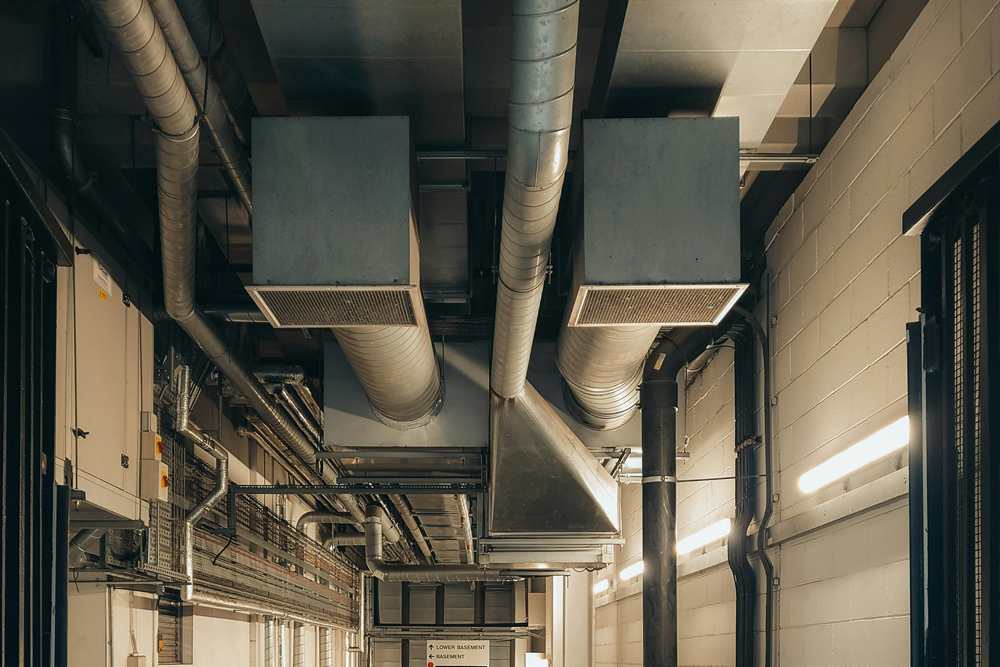
What Ductwork Installation Includes
- Supply Ductwork Installation
- Return Ductwork Installation
- Main Trunk Line Installation
- Branch Ductwork Connection
- Ductwork Sizing and Fabrication
- Insulation Wrapping and Sealing
- Grille and Register Mounting
- System Balancing and Testing
Ductwork Installation Process
- System Design and Load Calculation: HVAC technicians perform Manual D load calculations to determine proper duct sizes for each room based on square footage, ceiling height, and airflow requirements. This engineering step ensures the ductwork installation will deliver adequate heating and cooling capacity to every space in the building.
- Ductwork Fabrication and Layout: Technicians measure and cut galvanized steel or flexible ductwork sections according to the design specifications. Each piece is carefully sized to maintain proper airflow velocity and minimize pressure drops throughout the system while fitting within available ceiling, wall, or crawlspace areas.
- Duct Installation and Connection: HVAC technicians install main trunk lines first, followed by branch ducts connecting to individual rooms. All connections use mechanical fasteners and mastic sealant to prevent air leaks. Proper support hangers secure the ductwork every four to six feet to prevent sagging.
- Sealing and Insulation Application: All duct joints receive thorough sealing with mastic compound or metal tape to eliminate air leakage. Insulation wrapping applies to ductwork in unconditioned spaces like attics or crawlspaces, preventing condensation and maintaining air temperature during transport from the HVAC unit to living spaces.
- System Testing and Balancing: Technicians test airflow at each register using calibrated instruments to verify proper air delivery. The system undergoes pressure testing to confirm sealed connections and overall ductwork integrity. Final balancing adjustments ensure even air distribution throughout all rooms in the building.
Understanding Ductwork Installation
Professional ductwork installation requires precise engineering calculations, quality materials, and skilled craftsmanship to create an efficient air distribution system. The installation process involves multiple technical considerations including proper sizing, routing, sealing, and insulation to ensure optimal HVAC performance. Understanding these technical aspects helps property owners make informed decisions about their ductwork installation project and recognize the value of professional installation over amateur attempts.
How Professional Ductwork Installation Works
Professional ductwork installation begins with comprehensive load calculations using Manual D methodology to determine the exact airflow requirements for each room. HVAC technicians calculate the square footage, ceiling height, window exposure, and insulation levels to establish the CFM (cubic feet per minute) needed in every space. This engineering approach ensures the ductwork installation delivers adequate heating and cooling capacity without oversizing or undersizing ducts, which would create pressure imbalances and energy waste. The technician then creates a detailed layout plan showing main trunk lines, branch ducts, and return air pathways through available spaces like attics, basements, or wall cavities. Material selection depends on the specific application, with galvanized steel ducts offering durability for main trunk lines and flexible ducts providing easier installation in tight spaces. Each ductwork component must meet local building codes and HVAC industry standards for gauge thickness, joint construction, and support requirements. The installation sequence follows a logical progression from main components to individual branches, ensuring proper connections and maintaining structural integrity throughout the system. Quality ductwork installation includes provisions for future maintenance access and considers the building’s long-term HVAC needs.
Critical Factors in Ductwork Installation Success
Successful ductwork installation depends on several critical factors that significantly impact system performance and longevity. Proper duct sizing represents the most important variable, as undersized ducts create excessive air velocity and pressure drops while oversized ducts reduce air velocity and allow dust accumulation. HVAC technicians use friction rate calculations to balance duct diameter with available static pressure from the air handler or furnace. Routing and layout planning must minimize turns and transitions that increase pressure losses and reduce airflow efficiency. Each 90-degree elbow in ductwork installation adds equivalent straight duct resistance, so experienced technicians design pathways with gentle curves and minimal directional changes. Sealing quality directly affects energy efficiency, as even small air leaks can reduce system performance by 20-30 percent. Professional ductwork installation uses mastic sealant rather than standard duct tape, which fails over time due to temperature cycling and adhesive degradation. Insulation installation requires proper thickness and coverage to prevent condensation in humid climates and maintain air temperature during transport. Support and hanging systems must account for thermal expansion and contraction while preventing sagging that creates low spots for condensation accumulation. The installation elevation and pitch must promote proper drainage and prevent moisture problems that lead to mold growth or duct deterioration.
Common Ductwork Installation Mistakes and Solutions
Amateur ductwork installation attempts often result in costly problems that require professional correction. Improper duct sizing represents the most frequent error, with homeowners assuming larger ducts always provide better performance. Oversized ducts actually reduce air velocity below the minimum needed for proper dust removal and temperature mixing, while undersized ducts create excessive noise and pressure drops that strain HVAC equipment. Inadequate sealing allows conditioned air to escape into unconditioned spaces, wasting energy and reducing comfort. Many DIY installations use cloth-backed duct tape instead of proper mastic sealant, leading to seal failure within months of installation. Poor support and hanging techniques cause ductwork sagging that creates condensation traps and restricts airflow. Professional ductwork installation avoids these issues through proper engineering calculations, quality materials, and proven installation techniques. Incorrect insulation application or complete insulation omission leads to condensation problems and energy losses in unconditioned spaces like attics or crawlspaces. Return air pathway design requires special attention, as inadequate return ductwork creates pressure imbalances that reduce overall system efficiency. Professional technicians ensure proper return air sizing and strategically locate return grilles to maintain balanced airflow throughout the building. Code compliance issues frequently arise from amateur installations that fail to meet local requirements for duct materials, support methods, or clearances from other building systems.
Quality Standards in Professional Ductwork Installation
Professional ductwork installation adheres to strict industry standards and local building codes that ensure system safety, efficiency, and longevity. The Sheet Metal and Air Conditioning Contractors’ National Association (SMACNA) provides detailed specifications for duct construction, installation methods, and quality control procedures. These standards specify minimum gauge requirements for different duct sizes, proper joint construction techniques, and support spacing to prevent structural failure. Quality ductwork installation includes thorough pressure testing to verify system integrity and locate any air leaks before final completion. Professional technicians use calibrated testing equipment to measure actual airflow at each register and compare results to design specifications. Manual D calculations guide the entire ductwork installation process, ensuring proper sizing based on actual heating and cooling loads rather than guesswork or rules of thumb. Insulation installation follows specific R-value requirements based on climate zone and duct location within the building structure. Professional installations include proper vapor barriers and insulation securing methods that prevent settling or gaps over time. Connection methods use mechanical fasteners combined with approved sealants rather than relying solely on tape or temporary connections. Quality control procedures include visual inspection of all joints, verification of proper slope for drainage, and confirmation that all code clearances are maintained from electrical systems, gas lines, and structural components.
Serving the Dallas-Fort Worth Area
We provide ductwork installation and repair services throughout the Dallas-Fort Worth metroplex, including:
Argyle
Flower Mound
Fort Worth
Northlake
Frisco
Prosper
Roanoke
Justin
Southlake
Trophy Club
If you don’t see your town, call us, and we’ll see how we can help!