Ductwork Repair
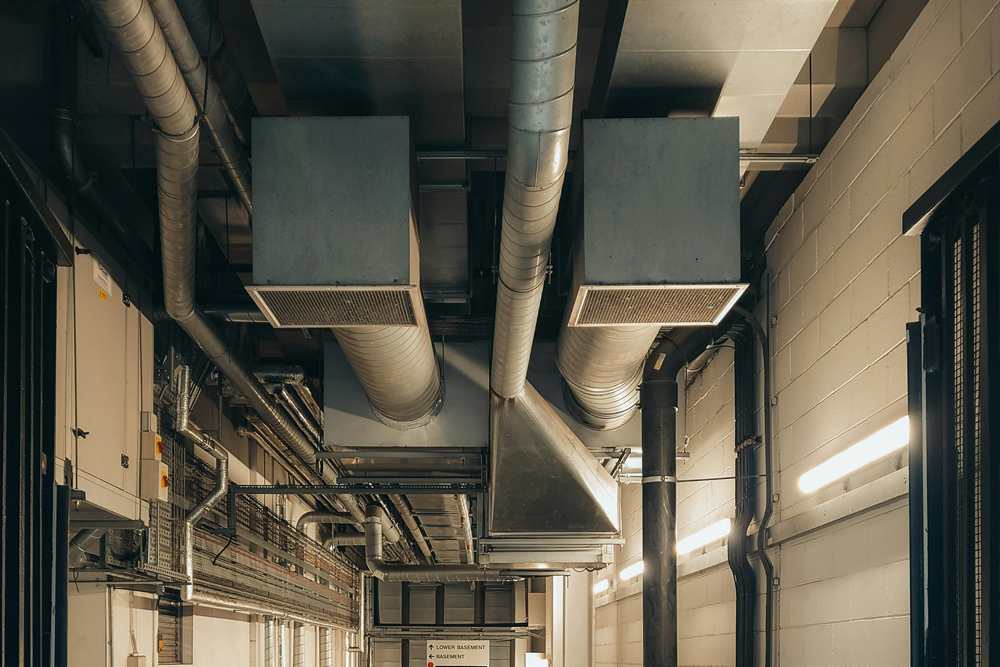
Christmas Air Conditioning and Plumbing provides ductwork repair for residential and commercial properties. Our HVAC technicians perform ductwork repair by accessing damaged sections through attics, crawl spaces, and basements to seal leaks, replace torn sections, and reconnect loose joints using specialized sealing materials and metal fabrication techniques. Each ductwork repair follows strict industry standards for air sealing and insulation requirements to ensure proper airflow and energy efficiency. Property owners typically need ductwork repair when experiencing uneven heating or cooling, higher energy bills, or visible damage from pests or age related deterioration. During the ductwork repair process, customers can expect thorough system testing to verify restored airflow and proper temperature distribution throughout all rooms. Proper ductwork repair execution prevents future air loss, reduces energy waste, and maintains consistent indoor comfort levels year round.
What Ductwork Repair Includes
- Duct Leak Sealing and Repair
- Torn Ductwork Section Replacement
- Loose Joint Reconnection and Securing
- Damaged Duct Insulation Replacement
- Flexible Duct Repair and Replacement
- Return Air Duct Repair
- Supply Duct Repair and Restoration
- Duct Connection Point Sealing
- Air Handler Connection Repair
Ductwork Repair Process
- Ductwork System Inspection: HVAC technicians access all ductwork sections through attics, crawl spaces, and basements to identify damaged areas, loose connections, and air leaks using specialized detection equipment and visual inspection methods to determine repair scope and materials needed.
- Damaged Section Assessment: Technicians evaluate each damaged duct section to determine whether repair or replacement is most effective, measuring dimensions for replacement sections and identifying the specific sealing materials and connection methods required for lasting repairs.
- Duct Repair Execution: HVAC technicians repair damaged ductwork by sealing leaks with mastic sealant, replacing torn sections with matching duct materials, reconnecting loose joints with proper fasteners, and installing new insulation where damaged or missing.
- System Pressure Testing: Technicians conduct pressure tests on repaired ductwork to verify proper sealing, measure airflow rates at supply registers, and confirm that all connections maintain appropriate pressure levels without air loss or system inefficiency.
- Airflow Verification: Final testing includes measuring temperature and airflow consistency throughout all rooms, verifying that repaired ductwork delivers proper heating and cooling distribution, and documenting system performance improvements achieved through the repair work.
Understanding Ductwork Repair
Ductwork repair addresses the critical infrastructure that distributes conditioned air throughout residential and commercial buildings. When ducts develop leaks, tears, or loose connections, the entire HVAC system loses efficiency and struggles to maintain consistent temperatures. Professional ductwork repair requires specialized knowledge of air sealing techniques, proper insulation methods, and system pressure requirements to restore optimal performance and prevent future problems that compromise indoor comfort and energy efficiency.
How Ductwork Repair Identifies Problem Areas
Professional ductwork repair begins with comprehensive system evaluation using specialized diagnostic equipment to locate air leaks, damaged sections, and inefficient connections throughout the entire duct network. HVAC technicians use smoke pencils, pressure gauges, and thermal imaging cameras to identify areas where conditioned air escapes before reaching intended destinations. Common problem areas include joints where duct sections connect, flexible ductwork that has been crushed or torn, and insulation that has shifted or deteriorated over time. Technicians also examine ductwork support systems to ensure proper mounting and eliminate sagging sections that restrict airflow. The diagnostic process includes measuring static pressure at multiple points to identify restrictions and evaluate overall system performance. This thorough assessment allows technicians to prioritize repairs based on their impact on system efficiency and develop a comprehensive repair strategy. Ductwork repair professionals understand that addressing visible problems without evaluating the entire system often leads to recurring issues, making complete system evaluation essential for lasting results.
Ductwork Repair Materials and Techniques
Effective ductwork repair requires selecting appropriate materials and application techniques based on specific damage types and ductwork construction. Mastic sealant provides the primary sealing material for small leaks and joint connections, offering superior adhesion and flexibility compared to standard duct tape. For larger tears or damaged sections, technicians use matching duct materials including galvanized steel, flexible ducting, or insulated flex duct depending on the original installation. Proper ductwork repair also involves installing mechanical fasteners at all joints to provide structural support beyond sealing materials alone. Insulation replacement becomes necessary when existing insulation has been damaged by moisture, pests, or age-related deterioration that reduces thermal performance. Professional technicians understand that different ductwork materials require specific repair approaches, with rigid metal ducts requiring different techniques than flexible plastic installations. The repair process must account for building codes and energy efficiency standards that specify minimum insulation levels and sealing requirements. Quality ductwork repair work includes proper vapor barrier installation where required and ensures that all repairs maintain the system’s original design airflow capacity and pressure specifications.
Ductwork Repair Impact on System Performance
Professional ductwork repair directly influences HVAC system efficiency, energy consumption, and indoor air quality throughout residential and commercial properties. Sealed ductwork eliminates conditioned air loss that forces heating and cooling equipment to work harder maintaining desired temperatures, reducing energy waste and utility costs. Proper ductwork repair also prevents unconditioned air from entering the system through return duct leaks, which can introduce humidity, dust, and contaminants that compromise indoor air quality. System performance improvements from ductwork repair include more consistent temperatures between rooms, reduced hot and cold spots, and improved humidity control throughout the building. Energy efficiency gains typically range from ten to twenty percent after comprehensive ductwork repair, depending on the extent of pre-existing problems and system age. Professional repair work also reduces strain on HVAC equipment by eliminating pressure imbalances that cause fans and motors to work beyond design specifications. Long-term benefits of quality ductwork repair include extended equipment life, reduced maintenance requirements, and improved occupant comfort. Property owners often notice immediate improvements in room-to-room temperature consistency and reduced noise from air handling equipment after professional ductwork repair completion.
Professional Standards for Ductwork Repair Quality
Quality ductwork repair follows established industry standards for materials, installation techniques, and performance verification that ensure lasting results and system reliability. Professional HVAC technicians adhere to Manual D duct design principles and ACCA standards that specify proper sealing methods, insulation requirements, and testing procedures for repaired ductwork systems. All ductwork repair work must comply with local building codes and energy efficiency requirements that establish minimum performance standards for sealed duct systems. Proper repair techniques include cleaning all surfaces before applying sealants, using appropriate primer materials where specified, and allowing adequate curing time for adhesives and sealants. Professional ductwork repair also requires proper support installation to prevent future sagging or disconnection at repaired joints and connections. Quality assurance includes pressure testing repaired sections to verify that leakage rates meet or exceed building code requirements, typically less than six percent total system leakage. Documentation of repair work should include before and after pressure readings, photographs of completed repairs, and warranty information covering materials and workmanship. Licensed contractors performing ductwork repair carry appropriate insurance coverage and provide guarantees on their work, ensuring that property owners receive professional-grade results that improve system performance and energy efficiency for years to come.
Serving the Dallas-Fort Worth Area
We provide ductwork installation and repair services throughout the Dallas-Fort Worth metroplex, including:
Argyle
Flower Mound
Fort Worth
Northlake
Frisco
Prosper
Roanoke
Justin
Southlake
Trophy Club
If you don’t see your town, call us, and we’ll see how we can help!